

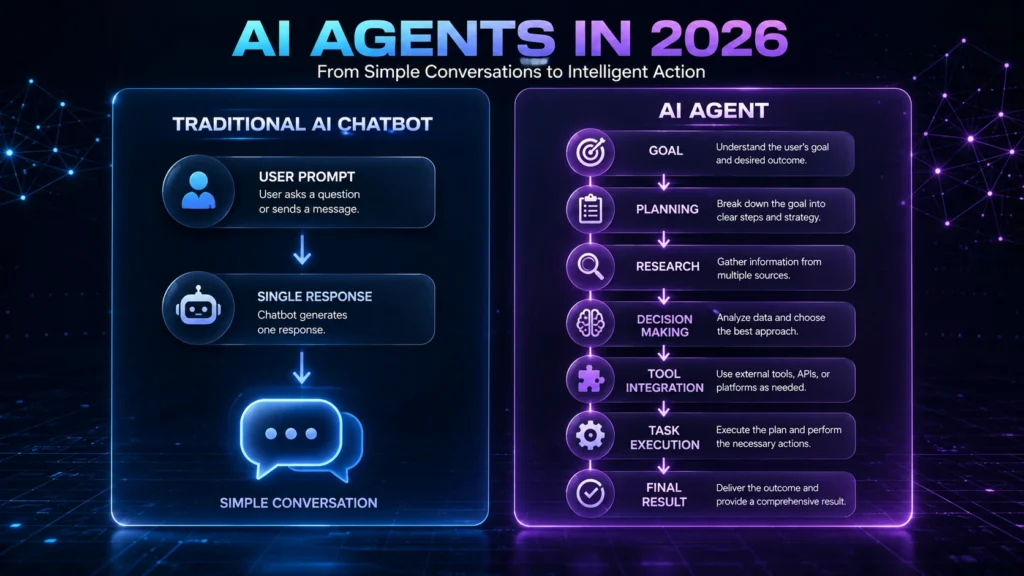
AI Agents in 2026 are transforming how businesses, freelancers, students, and creators automate complex work and scale daily productivity. Unlike traditional AI chatbots that simply wait for a single prompt and reply with text, modern AI agents can understand an end goal, break it into logical steps, connect with external apps, make decisions, and execute multi-step workflows with minimal human supervision.
Whether you are a solo entrepreneur managing client inquiries, a blogger building topical authority, a software engineer debugging multi-file repositories, or a student organizing research, understanding how AI agents operate has become one of the highest-leverage digital skills of 2026.
In this complete guide, we explain what AI Agents in 2026 are, how they work step by step, how they differ from standard ChatGPT prompts, the best AI agent platforms available today, and real-world workflows you can start using right away. To explore specialized AI platforms across every category, browse our 100+ Best AI Tools in 2026 Directory.
What Are AI Agents?
An AI agent is an autonomous or semi-autonomous software system powered by large language models (LLMs), planning logic, memory, and tool integrations that pursues a user-defined objective across multiple steps.
For example, if you ask a standard chatbot to write a blog post, it outputs a single block of text and stops. By contrast, an AI agent given the goal “Research, outline, and draft an SEO guide on remote productivity tools” can search the web for fresh statistics, analyze top-ranking headings, generate a structured outline, draft each section, and format the final output inside your workspace automatically.
- Traditional AI Chatbots: Answer single prompts, rely on continuous manual follow-ups, and stay confined inside one chat window.
- Modern AI Agents: Break goals into sub-tasks, maintain workflow memory, connect to external apps and APIs, verify outputs, and execute multi-step processes.
How Do AI Agents Work? (4 Core Stages)
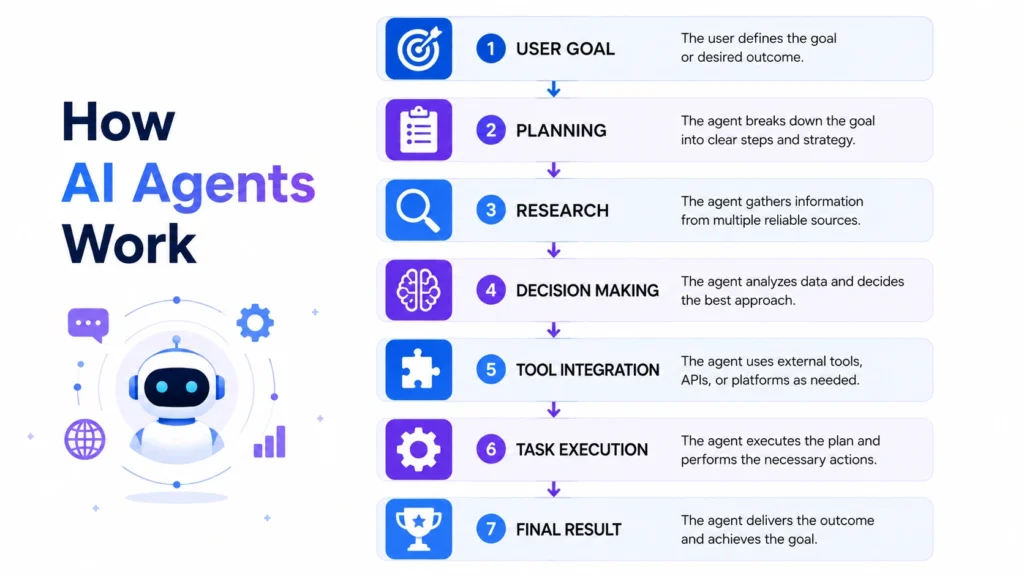
Behind the scenes, AI Agents in 2026 combine reasoning models, short- and long-term memory, and software connectors to turn a high-level instruction into finished work:
- Goal Interpretation: The agent analyzes your objective, identifies constraints (such as budget, tone, or deadline), and determines what data or tools are required.
- Task Decomposition & Planning: Instead of guessing an immediate answer, the agent creates a sequenced checklist—such as gathering sources first, comparing data second, and drafting a report third.
- Tool Execution & API Actions: Using connected integrations (such as Google Search, Gmail, Docs, Notion, Slack, CRMs, or code terminals), the agent actively retrieves live data, updates spreadsheets, or writes files.
- Self-Reflection & Feedback Refinement: Advanced agents evaluate their own intermediate outputs against your goal, fix errors, and adapt based on your feedback over time.
AI Agents vs. ChatGPT: What Is the Difference?
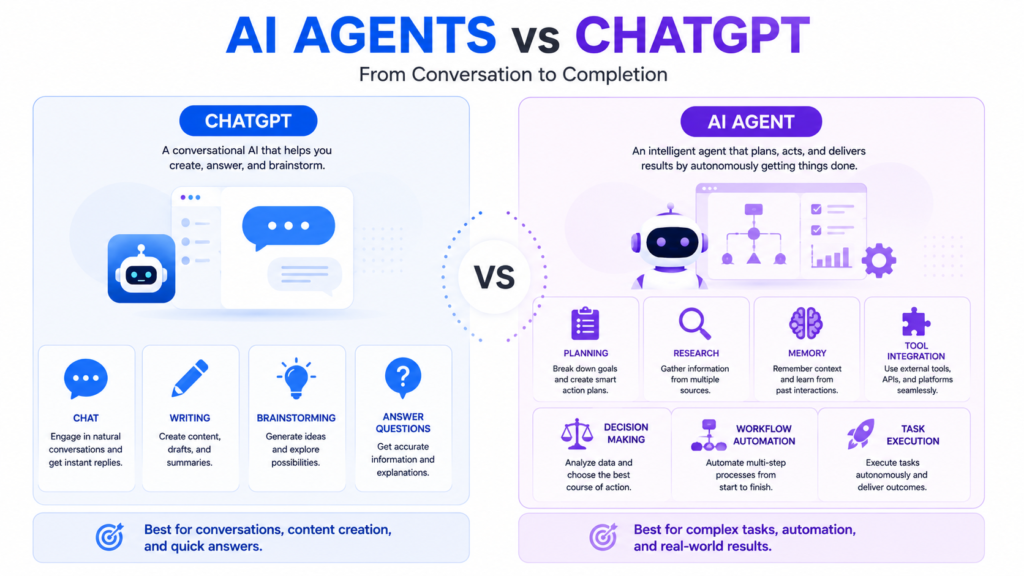
Many beginners assume “ChatGPT” and “AI agents” mean the exact same thing. In reality, standard conversational ChatGPT acts as an interactive assistant waiting for your next message, whereas an AI agent operates as a goal-driven workflow executor.
| Feature | Standard AI Chatbot (ChatGPT) | AI Agents in 2026 |
|---|---|---|
| Primary Role | Conversational Q&A and content drafting | Autonomous multi-step task completion |
| User Involvement | Requires step-by-step prompting | Works from one high-level goal |
| Planning & Reasoning | Single-turn response generation | Breaks projects into sequenced sub-tasks |
| External Tool Actions | Optional plugins or manual copy-paste | Connects directly to apps, browsers & APIs |
| Workflow Memory | Session-based chat context | Persistent state across multi-step tasks |
| Best Ideal Use Case | Quick answers, brainstorming & editing | Research pipelines, outreach & automation |
Want to see how today’s leading foundation models compare head-to-head? Read our ChatGPT vs Gemini vs Claude 2026 Comparison Guide for a complete breakdown.
Why AI Agents in 2026 Matter for Businesses and Creators
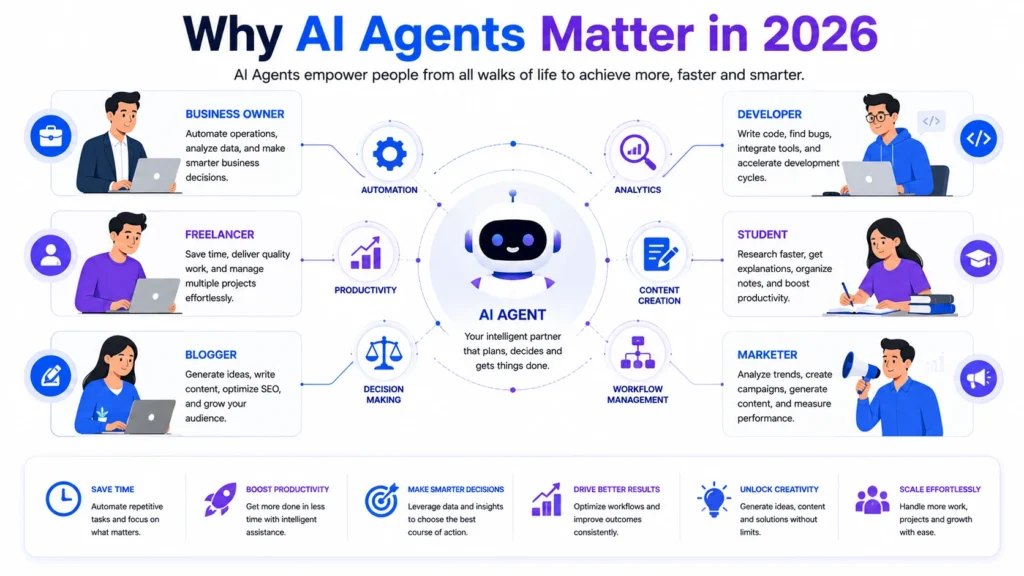
Solo creators and small businesses often struggle not from a lack of ideas, but from hours lost to repetitive execution—researching topics, formatting reports, answering routine customer emails, and syncing data between tools. AI Agents in 2026 bridge that gap by turning small teams into high-output operations:
- Small Business Owners: Automate lead qualification, appointment scheduling, customer FAQ replies, and weekly sales summaries (see more business software in our Best AI Tools for Small Business Owners guide).
- Bloggers & Content Creators: Turn one seed keyword into competitor research, an SEO outline, a polished draft, and social promo assets in half the usual time.
- Freelancers & Agencies: Research prospective clients, draft tailored proposals, and manage recurring deliverables faster (discover profitable service ideas in our How to Make Money with ChatGPT in 2026 guide).
Comparison of the Best AI Agent Platforms in 2026
Compare the top platforms powering AI Agents in 2026 across primary use cases, free availability, and starting paid pricing:
| AI Platform | Primary Agent Capability | Free Plan | Starting Paid Price | Ideal Users |
|---|---|---|---|---|
| ChatGPT (OpenAI) | Deep Research, Custom GPTs & Operator Tasks | Yes | $20/month | Creators, Marketers & Generalists |
| Google Gemini | Deep Research & Google Workspace Actions | Yes | $19.99/month | Students & Google Workspace Users |
| Claude (Anthropic) | Claude Code, Projects & Document Analysis | Yes | $20/month | Writers, Analysts & Developers |
| Canva AI | Magic Studio Design & Multi-Format Campaigns | Yes | $15/month | YouTubers & Social Media Creators |
| Microsoft Copilot | Microsoft 365 & Copilot Studio Agents | Basic | $20–$30/user/month | Enterprise & Office Teams |
| Zapier Agents | Autonomous Workflows Across 7,000+ Apps | Yes | $19.99/month | No-Code Business Automation |
Top AI Agent Tools & Platforms in 2026 (Detailed Reviews)
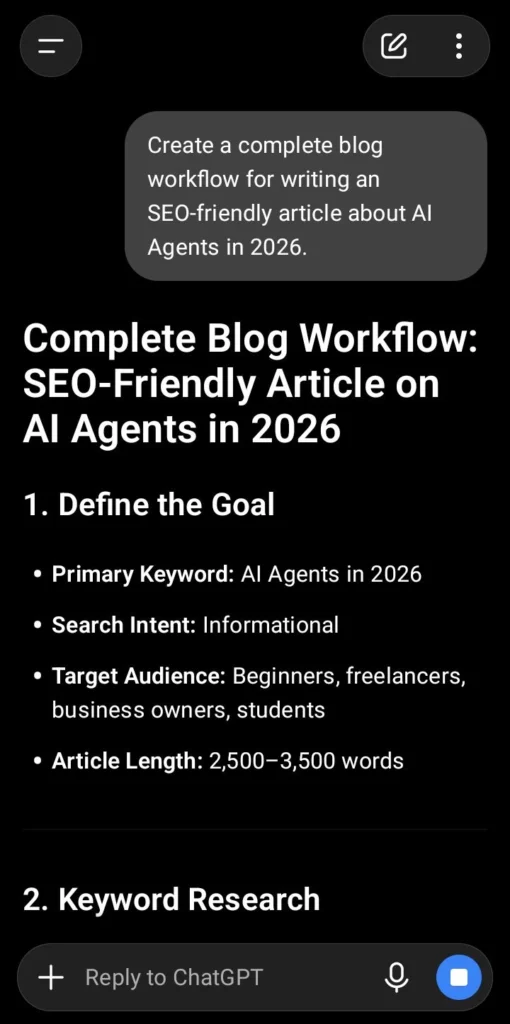
1. ChatGPT AI Agents & Deep Research (OpenAI)
ChatGPT has evolved far beyond simple chat replies. With Deep Research, Custom GPTs, Canvas, and autonomous browsing/task capabilities, ChatGPT can independently gather web sources, synthesize multi-page reports, analyze CSV spreadsheets, and execute repeatable content workflows.
- Real-World Blogger Example: A niche blogger gives ChatGPT a target keyword and instructs it to analyze competing articles, identify subtopic gaps, generate an SEO outline, draft meta descriptions, and prepare social promo captions in one continuous workflow.
- Pricing: Free tier available; ChatGPT Plus starts at $20/month.
2. Google Gemini AI & Deep Research
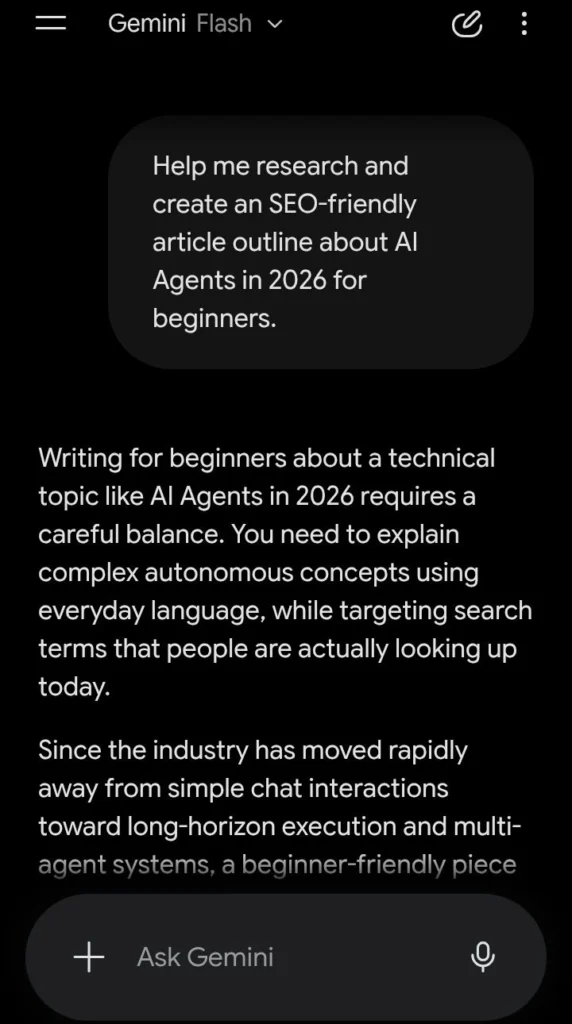
Google Gemini combines multi-step Deep Research with direct actions across Gmail, Google Docs, Google Drive, Google Calendar, and YouTube. When given a complex research question, Gemini builds a multi-point research plan, browses dozens of live web sources, and exports a cited report directly into Google Docs.
- Real-World Student Example: A university student uploads lecture PDFs and YouTube seminar links into Gemini to generate structured study guides, flashcards, and practice exam quizzes in minutes. (Explore more study platforms in our Best Free AI Tools for College Students in 2026 guide.)
- Pricing: Free with any Google account; Google AI Pro starts at $19.99/month.
3. Claude AI & Claude Code (Anthropic)
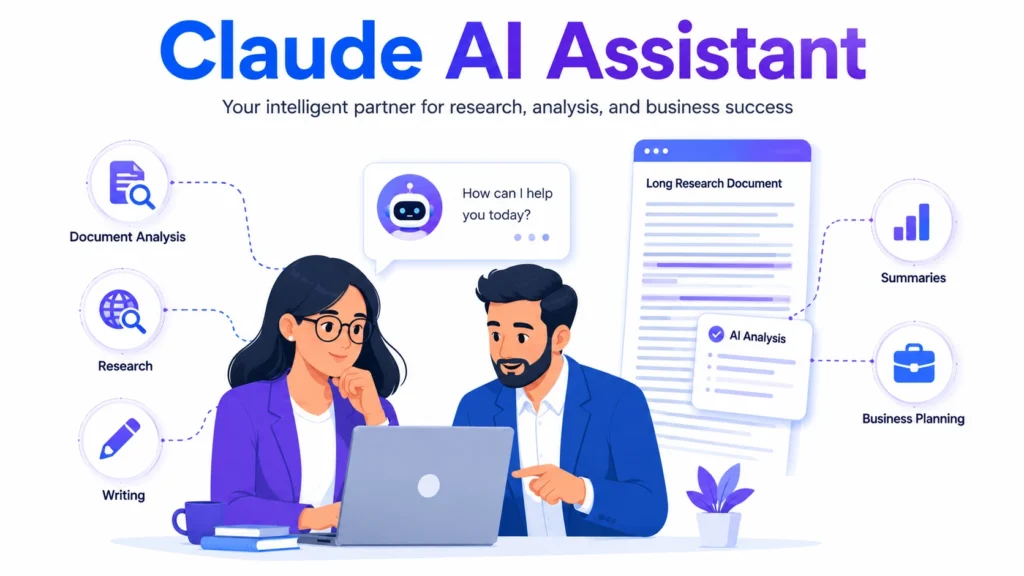
Claude AI and its agentic coding companion, Claude Code, excel at multi-step reasoning, large-document synthesis, and autonomous software engineering. Claude can read entire project folders, edit multiple code files, run terminal tests, and produce executive-ready business reports.
- Real-World Consultant Example: A freelance consultant uploads a 50-page client audit PDF into Claude Projects to extract key financial risks, prioritize action items, and draft a clean client summary deck.
- Pricing: Free web tier available; Claude Pro starts at $20/month.
4. Canva AI Magic Studio
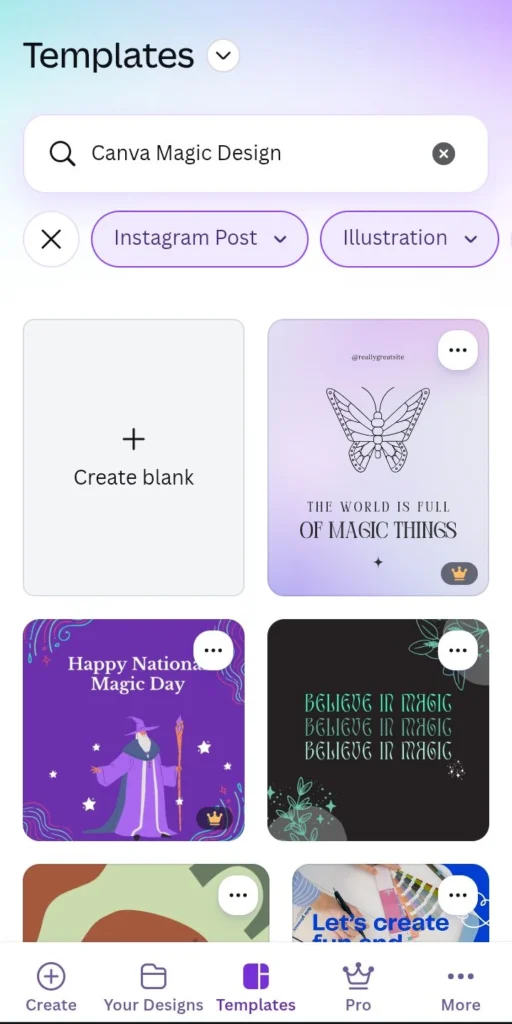
Canva AI automates multi-asset visual creation for creators and marketing teams. From a single prompt or document, Canva’s AI workflows can generate complete presentation decks, social media carousels, YouTube thumbnails, and brand-consistent ad sets across multiple aspect ratios simultaneously.
- Real-World Creator Example: A YouTuber designs a video thumbnail in Canva AI and uses Magic Switch to convert the same campaign into Instagram posts, Pinterest pins, and blog banners in seconds. (See more visual platforms in our Top 10 AI Tools for Content Creators in 2026 guide.)
- Pricing: Generous free tier; Canva Pro starts at $15/month.
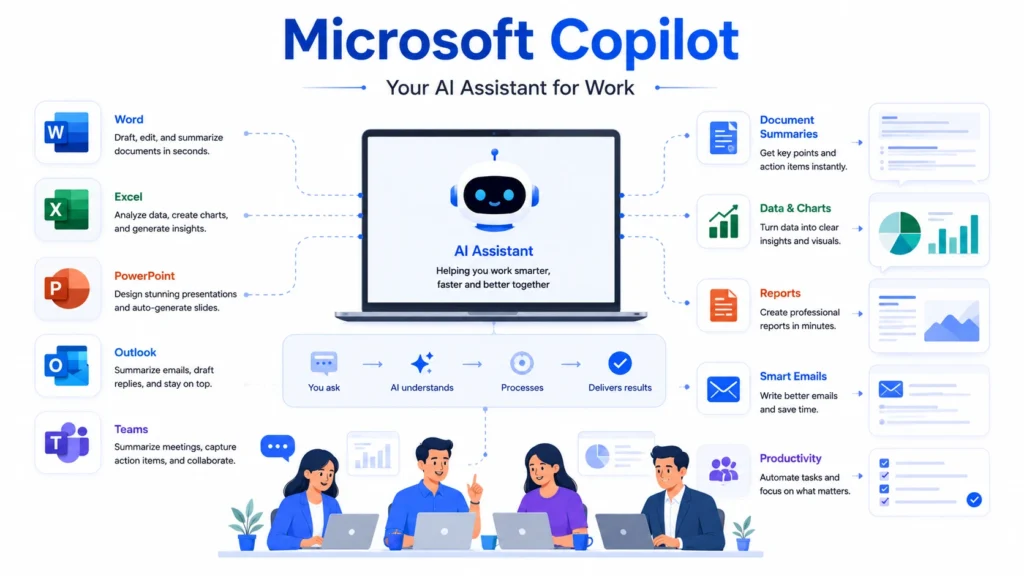
5. Microsoft Copilot & Copilot Studio Agents
Microsoft Copilot embeds autonomous AI agents directly inside Word, Excel, PowerPoint, Outlook, and Teams—while Copilot Studio lets businesses build custom no-code agents that answer employee HR questions, route customer support tickets, and automate CRM updates.
- Real-World Team Example: An operations team uses Copilot in Teams to transcribe client calls, extract action items, draft follow-up emails in Outlook, and update Excel KPI trackers automatically.
- Pricing: Basic web Copilot is free; Microsoft 365 Copilot starts at $20–$30/user/month.
How AI Agents Help Different Professions in 2026
- Bloggers & SEO Publishers: Automate keyword clustering, competitor gap analysis, article outlining, and internal link planning (explore more blogging workflows in our Best AI Tools for Bloggers in 2026 and Best AI Tools for SEO 2026 guides).
- Freelancers & Consultants: Research prospective leads, summarize client websites, draft tailored proposals, and automate follow-up sequences (see our Best AI Tools for Freelancers in 2026 roundup).
- Software Developers: Use agentic IDEs and terminal agents to scaffold features, refactor multi-file repositories, and run automated unit tests (discover top developer tools in our Best AI Coding Tools in 2026 guide).
- Remote Workers & Teams: Automate meeting notes, task assignments, and cross-app updates (check out our 10 Best AI Productivity Tools for Remote Workers in 2026 guide).
How Beginners Can Start Using AI Agents (4 Simple Steps)
- Pick One Core Platform First: Start with the free tier of ChatGPT, Google Gemini, or Claude before subscribing to multiple specialized automation tools. (Browse zero-cost starting options in our Best Free AI Tools 2026 guide.)
- Write Goal-Oriented Prompts: Instead of vague one-line questions, give your agent a clear objective, audience, step-by-step instructions, and desired output format.
- Automate One Repetitive Weekly Task: Start with weekly content research, inbox triage, or meeting summaries before connecting sensitive business accounts.
- Keep a Human-in-the-Loop Review: Always verify statistics, external links, and client-facing messages before publishing or sending.
Benefits and Challenges of AI Agents
- Key Benefits: Saves 10+ hours per week on multi-step research and admin, reduces operational costs for solo founders, accelerates software and content delivery, and scales output without hiring large teams.
- Key Challenges: Agents can occasionally misinterpret ambiguous goals or hallucinate outdated facts, granting broad app permissions requires careful privacy and security hygiene, and human judgment remains essential for creative strategy and quality control.
Frequently Asked Questions About AI Agents in 2026
1. What are AI Agents in 2026?
AI Agents in 2026 are goal-driven artificial intelligence systems that can plan multi-step tasks, connect with external software tools, browse live information, and complete complex workflows with minimal human prompting.
2. How are AI agents different from ChatGPT?
Standard ChatGPT responds one prompt at a time inside a chat window, whereas AI agents break an objective into sequenced steps, use external tools, and execute multi-step workflows autonomously.
3. Do I need coding skills to use AI agents?
No. Platforms like ChatGPT, Google Gemini, Claude Projects, Canva AI, and Zapier Agents let beginners build and run automated workflows using plain-English instructions with zero coding required.
4. Can AI agents replace human workers?
No. AI agents automate repetitive multi-step tasks, but human creativity, strategic decision-making, empathy, and quality oversight remain essential across every industry.
Final Thoughts
AI Agents in 2026 mark a major leap from passive chatbots that merely answer questions to proactive digital teammates that plan and execute real work. Whether you are running a small business, growing a blog, freelancing, or studying, learning how to delegate multi-step workflows to AI agents will save hours every week.
Start today with free tools like ChatGPT, Google Gemini, or Claude, practice writing clear goal-based instructions, and gradually automate your highest-friction daily routines.
Ready to Automate Your Workflows & Scale Online with AI?
Discover the most reliable AI platforms and automation systems for 2026. Browse our complete 100+ Best AI Tools in 2026 Directory to explore vetted software across every category—or learn practical monetization strategies in our guide on how to make money with ChatGPT in 2026. Need custom AI agents, chatbots, or no-code workflow automation for your business? Visit AI With Bilal to get started.
About the Author
Muhammad Bilal Malik is an educator, digital strategist, and the founder of AI With Bilal. He shares practical, beginner-friendly guides on artificial intelligence tools, AI agents, blogging, SEO, and no-code workflow automation to help creators, freelancers, and business owners save time and grow online in 2026.